The complete road-user checklist before summer driving in France
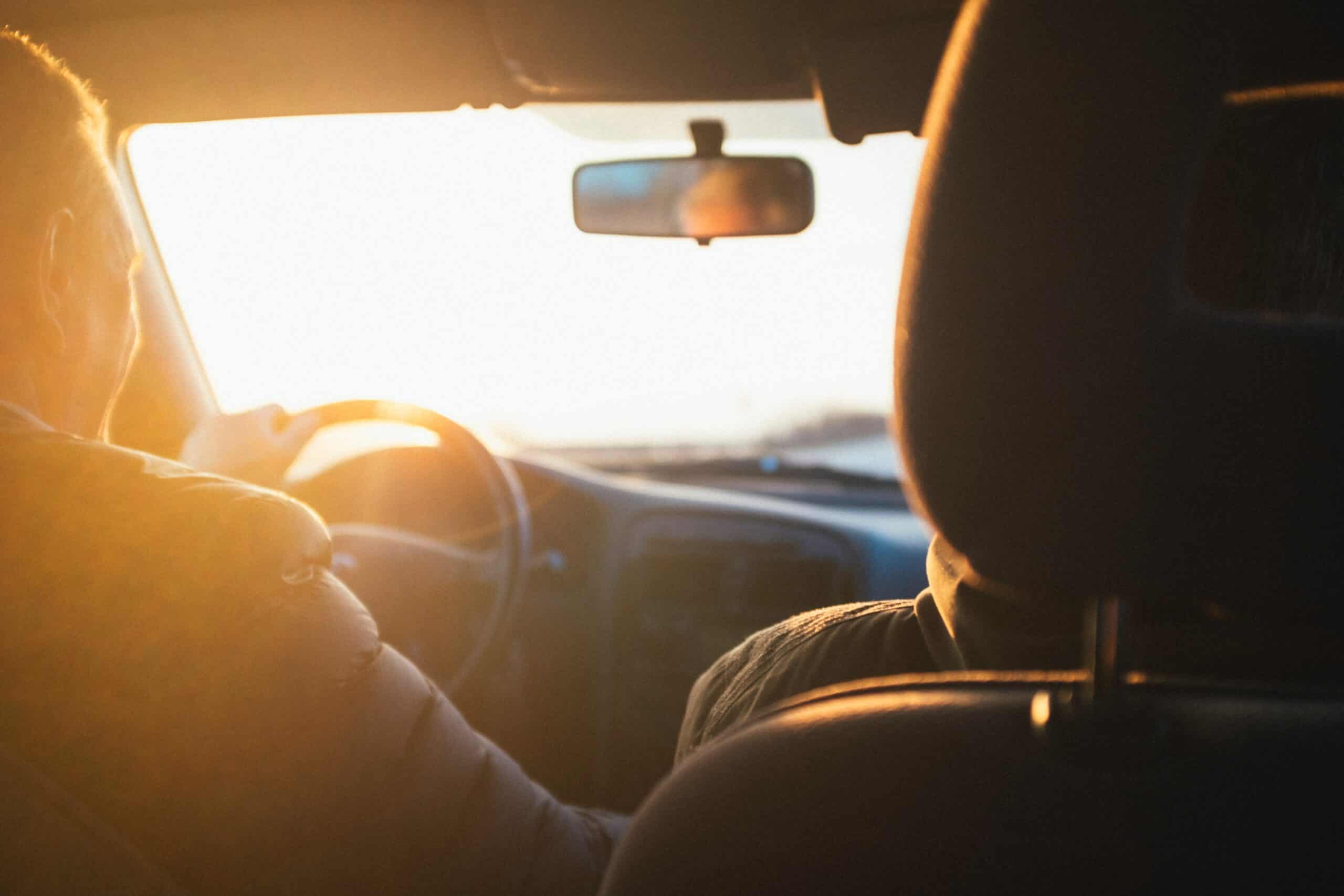
It's May, the weather is warming up fast, and that's good news: we can finally swap trousers and trainers for shorts and flip-flops, and the light jacket ends up forgotten in a corner.
Summer holidays are being planned, and before setting off you'll want to make sure your vehicle is in good shape for long journeys in the heat — especially if you're new to driving in France and unsure what the rules require.
We have listed the essentials that every road user in France should have and check. If you're missing an item, don't panic: we found the site you need. Drivecase specialises in road-safety accessories, training courses and road-safety awareness programmes.
If you drive a car:
A reflective high-visibility vest (ideally one per passenger) and a warning triangle are legally required on board every vehicle in France. They keep you visible if you have to stop at the side of the road.
Carrying breathalysers in the glovebox is no longer compulsory but remains strongly recommended. Summer or winter, safety comes first: if you have any doubt about your blood-alcohol level, it's handy to have a breathalyser within reach.
Tyres should always be checked before a long trip. In summer, heat accelerates deformation and wear, which can cause blowouts — extremely dangerous at motorway speeds.
Windscreen wipers suffer from temperature swings. If yours are worn, it may be time to replace them so you keep good visibility.
A clean windscreen and a pair of sunglasses help limit glare and eye fatigue. The sun is as hard on your eyes as it is on your skin.
Finally, if your vehicle doesn't have tinted windows, remember a sun visor — and one for the rear windows too if you travel with children or pets.
If you ride a motorcycle:
Riding with the wind in your face is a pleasure — but only with the right gear.
Summer or winter, keep your protective equipment on so you stay properly protected:
A helmet and gloves are mandatory in France. That much is obvious.
A jacket and trousers: in summer heat it's tempting to skip full cover, but lightweight "summer" motorcycle gear exists on the market — so there's no excuse for riding in shorts and a t-shirt.
Closed shoes: just like the jacket and trousers, if anything happens on the road, exposed feet mean no protection at all.
Still not convinced? Check the official French road-safety guidance on motorcycle equipment: https://www.securite-routiere.gouv.fr/chacun-son-mode-de-deplacement/a-moto/equipement-du-motard
If you travel by bicycle:
As of 2021, France had 18,848 km of dedicated cycling infrastructure — cycle paths, greenways and cycle lanes on low-traffic roads.
Thanks to this network, commuting or touring by bike has become far more pleasant, because riders feel safer.
A helmet is required, and a pair of gloves is a sensible addition to protect your hands.
Wearing a reflective high-visibility vest is compulsory when riding at night or outside built-up areas, and recommended at all times so that drivers can see you clearly.
On a bike, it is essential to follow the French highway code (code de la route) and to signal your movements clearly whenever you leave dedicated cycling areas.
In short, whatever your mode of transport, always think about your own safety and that of others.
Now it's your turn: walk around your vehicle and run through the points above.
And remember to take regular breaks on long journeys and stay hydrated.
Have a great summer.