FFVE certificate: step-by-step guide for classic vehicle registration (2026)
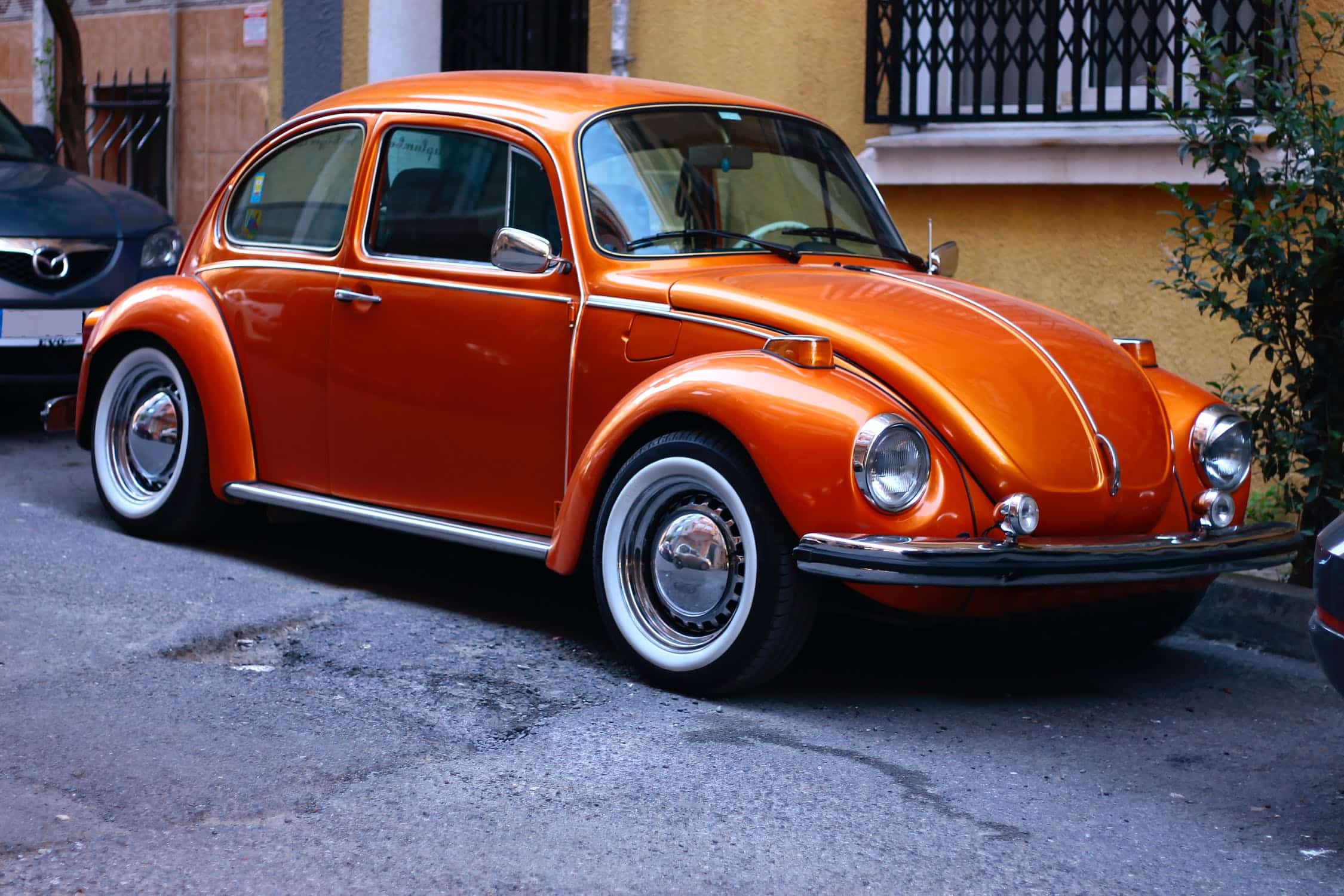
The full file and the online order (collection mention, FFVE certificate, three cases) are on the classic vehicle registration page. This 2026 guide dates the photo file, FFVE fees, import cases (including UK / Brexit) and Crit’Air / low-emission zone nuances.
FFVE vs collection carte grise
The FFVE certificate is not a registration certificate. It attests that the vehicle meets collection criteria. Only afterwards can the ANTS or an accredited professional issue / amend the carte grise with the collection mention.
- Order the certificate alone: FFVE certificate
- Full procedure guide: Classic vehicle registration
- Purchase + collection: Change of ownership and classic registration
Eligibility conditions
- Vehicle more than 30 years old (date of first entry into service)
- Model no longer in production
- Vehicle not substantially modified (engine, chassis, bodywork beyond faithful restoration)
- Non-professional use
- Valid roadworthiness test when required (including certain mopeds depending on the case)
The FFVE reviews a file (questionnaire + photos). Refusal is possible if the vehicle is too heavily converted, if the photos do not allow a judgement, or if age / originality are not established.
The 3 paths
1. You are already the registered holder
You apply for the FFVE certificate then the collection mention on your current title. The registration tax for the amendment is generally limited (around €13.76 excluding service fees). Typical documents: copy of the carte grise, identity, address, roadworthiness test, insurance, FFVE certificate, Cerfa 13750 / mandate 13757 if using an accredited provider.
2. You are buying a classic vehicle in France
You need the transfer certificate / invoice, the FFVE certificate, then a change of ownership with the collection mention. The tax then follows the rules for a carte grise on a vehicle over 10 years old according to your département — estimate via the carte grise cost calculator. Also remember the usual sale rules (crossed-out carte grise, possibly a code or professional path — see registering without a transfer code).
3. Imported classic vehicle
In addition to the FFVE (which can serve as conformity), plan for a tax clearance certificate (quitus) (EU) or 846A certificate (outside the EU), then the foreign vehicle registration file. Also see our historical article Registering a classic vehicle in France.
| Path | Specific documents beyond identity / address / roadworthiness | Carte grise tax (order of magnitude) |
|---|---|---|
| Already holder | Current carte grise + FFVE certificate | ~€13.76 amendment |
| Purchase in France | Transfer 15776 + crossed-out title + FFVE | > 10-year schedule / département |
| EU import | Foreign title + quitus + FFVE (often without COC) | Regional schedule + formalities |
| Non-EU / UK import | 846A / customs + FFVE | Schedule + customs formalities |
FFVE photos: concrete requirements
The photo file is the number-one cause of delay. Prepare sharp, daytime shots of a clean vehicle without misleading angles:
- Full front and rear views
- Left and right side profiles
- Interior (cabin / upholstery) and dashboard if requested
- Manufacturer plate / readable serial numbers
- Engine bay and specific details required by the questionnaire (wheels, any modifications, etc.)
- For two-wheelers: adapted angles + plate / numbers
Avoid blurry, night-time, tightly cropped photos, or shots that hide an element (stickers, cover, unreadable plate). If the vehicle is mid-restoration, say so clearly: originality and file consistency matter as much as cosmetic beauty.
File tip
Name your files clearly (front, rear, left-side, manufacturer-plate…) and attach a sharp front-and-back copy of the old title. An orderly file speeds up FFVE review as much as an immaculate vehicle.
FFVE file step by step
- Check eligibility (age, originality, non-professional use).
- Gather the documents: carte grise or foreign title, identity, address, proof of ownership, roadworthiness test.
- Take the photos to the specification (list above).
- Complete the FFVE questionnaire honestly about modifications.
- Submit the file to the FFVE or entrust it via our certificate order.
- Wait for the decision: timeframe varies with FFVE workload and file quality (often several weeks).
- Move on to the carte grise (ANTS or accredited provider) as soon as you receive the certificate.
Certificate fee: 60 € (30 € for mopeds ≤ 50 cm³).
After the certificate: ANTS / accredited application
Usual documents: FFVE certificate, identity, licence, address, insurance, Cerfa 13750, mandate 13757 if using an accredited provider, roadworthiness test, transfer certificate if changing ownership. Common advantages of the collection mention:
- roadworthiness test often every 5 years (instead of 2) for vehicles that remain subject to it;
- no roadworthiness test for certain very old vehicles (entry into service before 01/01/1960, under the applicable rules);
- collection roadworthiness tests often less severe on some points than the “standard” test;
- easier circulation in some low-emission zones — with the nuances below.
Crit’Air and low-emission zones: careful wording
The collection mention is often presented as making it easier to drive in large cities with restrictions. In practice:
- LEZ / ZFE rules are local and change over time (municipal / metropolitan orders);
- collection status is not automatically a universal, permanent exemption across all of France;
- always check the rules of the commune or métropole concerned before relying on daily city-centre trips.
In other words: collection status is a real advantage for many users, but it is not an absolute nationwide “Crit’Air pass” without verification.
Import and Brexit cases (United Kingdom)
Since Brexit, a vehicle coming from the United Kingdom effectively follows a path close to a non-EU import: customs formalities, 846A certificate where applicable, then French registration. The FFVE certificate can serve as the conformity document for a classic, where a manufacturer COC would be difficult or impossible to obtain. Also see our article Brexit and vehicle imports and the COC page to understand the difference from a manufacturer certificate.
Import watch-outs:
- readable foreign title + translation if needed;
- consistent numbers (VIN / chassis) across title, photos and FFVE file;
- quitus (EU) vs 846A (non-EU / UK);
- possible temporary WW plates to circulate while the file is processed.
How much does it cost in total?
| Item | Indicative amount |
|---|---|
| FFVE certificate | €60 (€30 moped ≤ 50 cm³) |
| Office Carte Grise service (with FFVE obtained) | €100 |
| Service if you already have the certificate | €40 |
| Taxes — already holder | ~€13.76 |
| Taxes — purchase / change of ownership | Regional schedule for vehicles > 10 years |
| Quitus / 846A / COC / WW | Depending on import path |
Also see the 2026 fiscal horsepower rates if you are changing ownership at the same time.
Timelines to expect
Typically allow: photo / document preparation (a few days), FFVE review (several weeks depending on the period), then SIV processing / Imprimerie Nationale dispatch (often a few working days once the file is transmitted). Overall, several weeks is realistic; an incomplete photo file lengthens the calendar significantly.
After the collection carte grise: good habits
- Keep the FFVE certificate and a copy of the file (photos, questionnaire).
- As with other title procedures, keep the old certificate for the prescribed period (often described as keeping then destroying after several years — for example 5 years in other title procedures); do not immediately destroy a replaced title if a claim remains possible.
- Adapt your insurance to classic use (mileage, garage, events).
- Monitor LEZ rules on your usual routes.
- On resale, tell the buyer about the collection mention and the documents (FFVE, specific roadworthiness test).
Common mistakes
- Insufficient photos or photos that do not match the FFVE specification
- Modified vehicle (engine, bodywork) without declaring it
- Confusion between manufacturer COC and FFVE certificate
- Missing roadworthiness test when it is required
- Forgetting quitus / 846A on an import
- Relying on a “national” LEZ exemption without checking local rules
Detailed document lists by path
Already the registered holder
- Front-and-back copy of the current carte grise
- Identity and proof of address less than 6 months old
- Valid roadworthiness test if required for the category
- Insurance certificate
- FFVE certificate (or order via our page)
- Cerfa 13750 and mandate 13757 if you use an accredited provider
Used purchase in France + collection
- All of the above on the buyer side
- Complete Cerfa 15776 (seller, buyer, co-owners)
- Carte grise crossed out with date and time
- Proof of the sale declaration (ANTS code or professional path)
- FFVE certificate — ideally obtained before or in parallel with the change of ownership
Import (EU / non-EU / UK)
- Foreign title + translation if needed
- Tax clearance (EU) or 846A / customs file (non-EU, post-Brexit UK)
- Photo file + FFVE questionnaire
- Identity, address, insurance, application Cerfa
- Optional temporary WW plates to circulate while the file is processed
The combined purchase + collection path is described on change of ownership and classic registration.
Realistic budget: three examples
Example A — already holder, classic passenger car: €60 FFVE + ~€13.76 taxes + €100 service if we obtain the certificate (or €40 if you already have it) = often roughly €115–€175 excluding any extras.
Example B — purchase in France, 6 CV, vehicle > 10 years, Occitanie: typical Y1 6 × 59,50 × 50% ≈ €179, plus Y4/Y5, plus €60 FFVE, plus service. The total depends on the département — simulate on the carte grise cost calculator.
Example C — UK import: add customs / 846A formalities, possible translation, €60 FFVE, then French registration taxes by CV / region / age. The “conformity” item is often covered by the FFVE rather than an unobtainable manufacturer COC.
Restoration, modifications and an honest file
A faithful restoration (period-correct paint, upholstery redone in period spirit, mechanical overhaul) is generally compatible with collection status. By contrast, an undocumented engine swap, a shortened chassis or deeply altered bodywork must be declared: the FFVE may refuse or ask for more information. A transparent file is better than a refusal after weeks of waiting. Keep workshop invoices and before/after photos if the restoration is recent: they help explain the vehicle’s condition in the shots.
FAQ
Can I order only the certificate?
Yes, via the FFVE certificate page.
Does the FFVE issue the carte grise?
No. It issues the certificate; the title is then requested from the ANTS or an accredited provider.
A British classic vehicle?
After Brexit, the path resembles a non-EU import (customs) + FFVE. Also see our article Brexit and vehicle imports.
How long for the collection mention?
FFVE processing time + SIV / Imprimerie Nationale processing time. Allow several weeks in total.
FFVE or COC?
For a classic vehicle, the FFVE certificate can serve as conformity. The manufacturer COC remains the classic path for a recent imported vehicle outside collection status.
Is a collection roadworthiness test mandatory right after the mention?
You must hold a valid roadworthiness test when the rules require it for your category / age. Afterwards, the interval may move to 5 years for many collection vehicles that remain subject to testing.
Office Carte Grise, accredited by the Ministry of the Interior, handles the certificate alone or the full classic registration file — including import and combined purchase cases.